LIS is a private coeducational day school, which offers an English language educational programme for students from age 3 to 18 predominantly to the international community in Luanda.
History
Luanda International School was founded in 1996 and has been developing rapidly ever since.
After a series of rigorous authorization and accreditation visits LIS in now an all through IB School offering the Primary, Middle Years and Diploma programmes and is fully accredited with the CAISA, NEASC and CIS.
In September 2003, LIS located in a new, purpose built campus in Luanda Sul, about 20 kilometers south of the city of Luanda. Today we have a beautiful new campus, and a preschool for three years olds up to high school offering the three IB programmes to over 600 students of 50 nationalities.
Mission
Luanda International School offers a balanced, academically challenging, English language education to the international community of Luanda, designed to develop individuals who are both independent learners and international citizens.
Explanation of terms:
- Balanced Curriculum – A curriculum designed to have a balance between the search for understanding, the acquisition of essential knowledge and skills, and the development of positive attitudes through engagement in meaningful and relevant experiences in academic, social, physical and artistic domains.
- Academically Challenging – The content is significant, relevant, rigorous and engaging. The methodology allows for students to work and learn at different levels and speeds while maintaining the development of critical and analytical thinking skills.
- Independent Learners – Independent Learners are those who have acquired the essential knowledge, skills and dispositions for the 21st century. Through active engagement with the curriculum, they have achieved enduring intellectual understanding, enabling them to apply their learning flexibly and appropriately in new situations.
- International Citizens – Learners who have explored an international knowledge base from multiple perspectives. They have achieved enduring human understanding, are culturally aware, are open to other people’s perspectives and are empathetic to other people’s situations
Philosophy
The Luanda International School believes that education should foster the development of the whole person. We believe students need to develop the ability to think critically, creatively and independently, and to reach their academic and personal potential. We want students to lead constructive and fulfilling lives, to appreciate and respect a diverse range of cultures and to have a sense of service and responsibility towards the world community.
School Governance
Representatives from the six companies that funded the establishment of the school serve on the school board, along with the Director of the school.
International Baccalaureate Organization
LIS is an IB World School. It was authorized to run the International Baccalaureate Organisation’s Primary Years Programme (PYP) in 2001, the Diploma Programme (DP) in 2005 and the Middle Years Programme (MYP) in 2006.
Faculty Teaching Staff
Teachers at LIS are recruited through international job fairs held in different locations throughout the world. Currently the teaching staff come from Angola, Australia, Austria, Canada, Colombia, Ireland, New Zealand, Portugal, South Africa, Spain, United Kingdom, United States and Zimbabwe.
Curriculum
The school offers all three programmes of the International Baccalaureate Organization. The subjects offered in the Diploma Programme are as follows: English A1, Portuguese A1, Spanish A1, Spanish B, Spanish Ab Initio, Economics, History, Biology, Chemistry, Physics, Mathematics Higher Level, Mathematical Studies. Theatre Arts and Visual Arts. In addition, students study a Theory of Knowledge (TOK) course and write an Extended Essay (4000 words). They also take part in a Creativity, Action and Service (CAS) programme of some 150 hours.
Grading system
As LIS offers all three of the IBO’s programmes, it uses the IB grading system, which scores students on a 7 – 1 scale, with 7 being the highest level of achievement.
Each of the programmes has its specific assessment criteria and grade descriptors.
LIS graduation requirements
The requirements are based on students successfully completing either a range of diploma subjects or certificate subjects, and this assessment will be made by, at the latest, the start of the final exam session in May. More specifically, the following is required:
- Successful completion of at least 5 IB SL (i.e. some courses might be HL) certificate courses including the required attendance and full submission of all work
- A mean of level 3 must be achieved
- The above courses to include two languages and a maths course
- Formal completion of all CAS requirements
- Attendance and completion of the TOK course
Calendar
LIS operates a similar calendar to Northern Hemisphere schools. The school year commences in August and ends in June of the following year. School is in session for 36 weeks, and a total of not less than 180 days.
Other Assessment Available
LIS will give the International School Assessment (ISA) to students in Years 5 and 6 during the 2009-10 school year. ISA is a standardized test suitable for international school students designed by the Australian Council for Educational Research (ACER): www.acer.edu.au/isa. LIS also offers the PSAT/NMSQT each October onsite for our students in the secondary level. This is the practice test for the SAT I (Reasoning Test). LIS is now the official SAT testing centre in Angola. SAT I and II (subject) tests are offered five times during the school year for students who are interested in applying to North American universities and colleges. Information on the SAT is available at: www.collegeboard.com. We cooperate with the Educational Advising Center of the US Embassy, which continues to offer the TOEFL tests for non-native speakers of English. Information on TOEFL is available from the Educational Testing Service: www.ets.org.
Student body
The student body at LIS is made of students from 50 countries: Angola, United States, Brazil, England, Venezuela, South Africa, Spain, Panama, Germany, Austria, Switzerland, Colombia, Argentina, Azerbaijan, Bangladesh, Bolivia, Cameroon, Ethiopia, Nigeria, Slovakia, Pakistan, India, Canada, Thailand, Turkey, Germany, Mexico, Zimbabwe, Denmark, Russia, Togo, Portugal, Cuba, Italy, Norway, Kazakhstan, France, Netherlands, Israel, Peru, Trinidad, Namibia, Ireland, Hungary, Egypt, Finland, Gabon, Mozambique and Switzerland.
We currently have 384 students in the primary school and 162 in the secondary school; a total of 546.
Rank in class
LIS does not assign rank to students. It is the goal of the teachers at LIS to help each student actualise their potential.
Academic reports
Students in both the primary and secondary sections of the school receive two formal written reports a year - one at mid-year and the second at the end of the school year. At appropriate times during the school year progress reports may also be issued for students who join during the school year and for students causing concern. A parent-teacher conference takes place during the first term for all students (in the secondary section this is a three-way conference involving parent, teacher and student).Both primary and secondary students also participate in student-led conferences later in the school year.
Extra-Curricular Activities
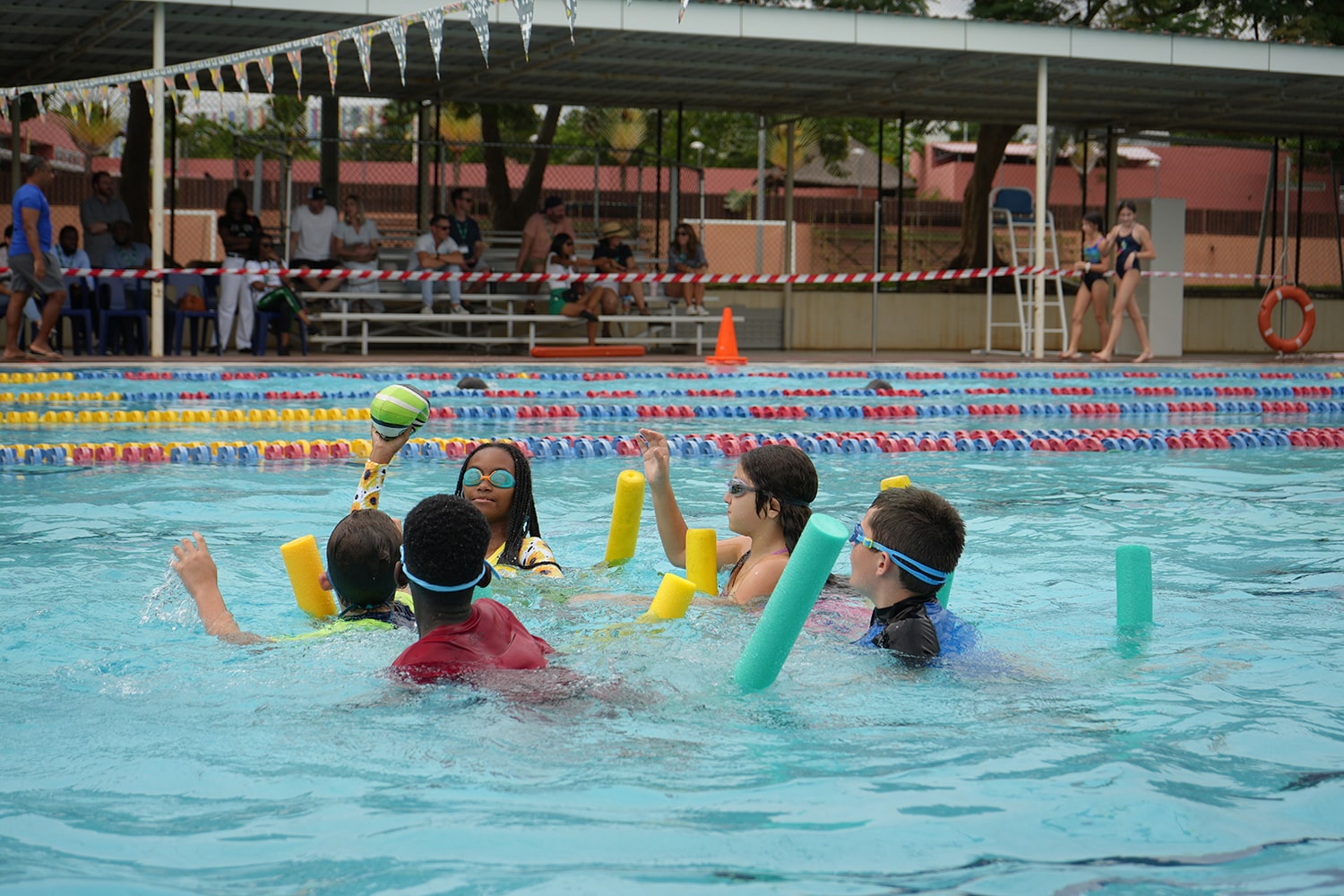
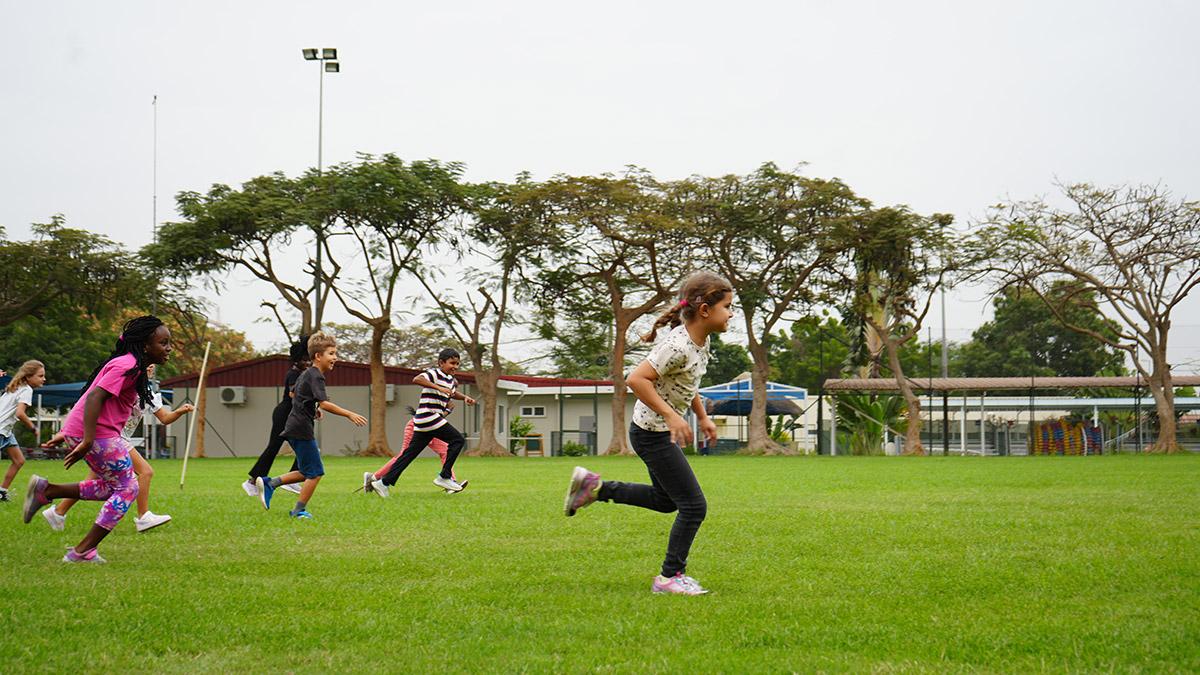
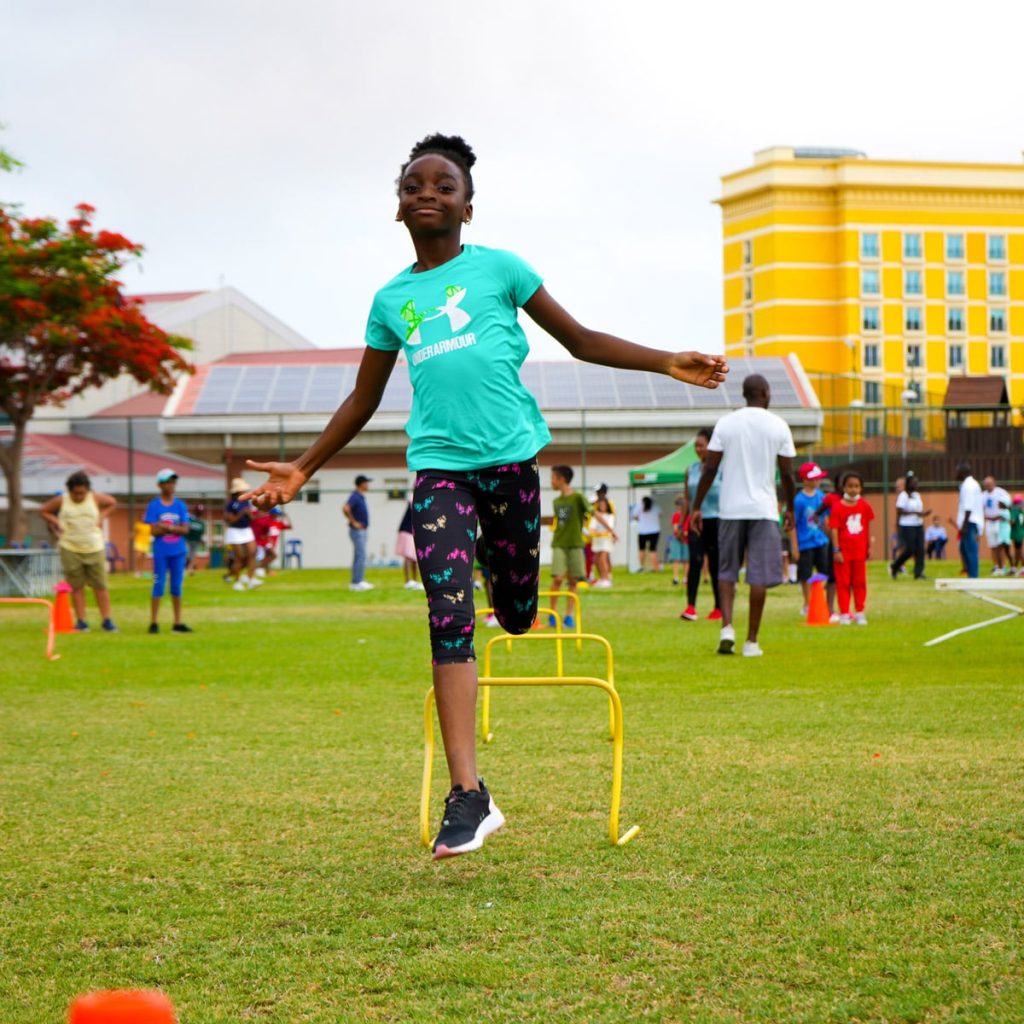
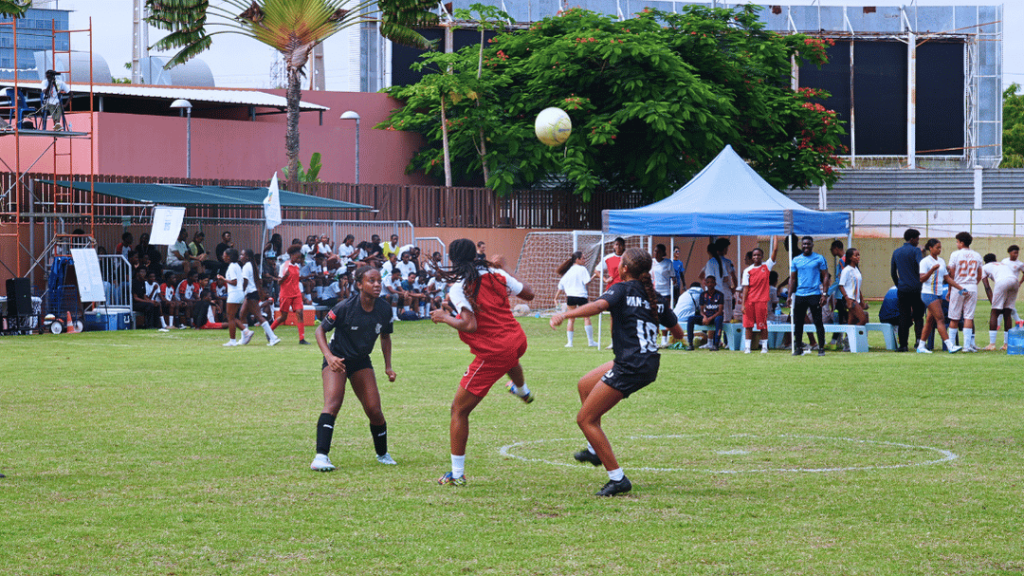
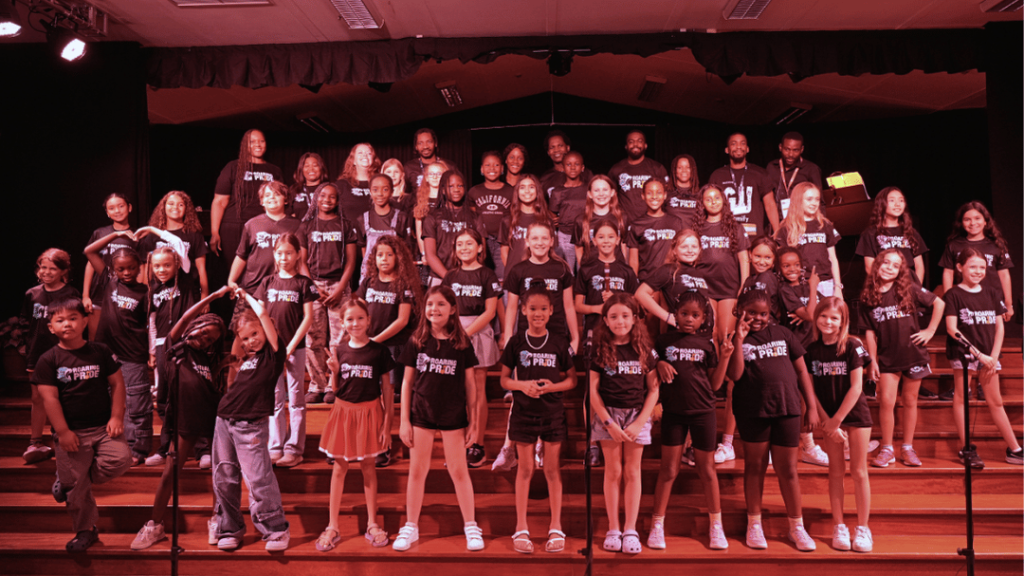
LIS runs an after-school activities programme throughout the week which includes a variety of sports. There are various age groups for participation. Some interscholastic games are played when available, and some teams in the older age-groups even travel outside Angola for tournaments. Other activities offered include choir, science, debating, poetry, wildlife, photo-editing and board games clubs, and the school runs the International Award. www.intaward.org
Community and Service
Students at LIS are actively encouraged to participate in community and service projects right from the primary school years. Each year, as a culmination of the Primary Year’s Programme, the Year 7 class engages in a significant community and service project. Classes in the Middle Year’s Programme are involved in community and service projects each year and students in the Diploma Programme complete the Creativity, Action and Service programme as part of the IB Diploma.